
 Image 1 of 1
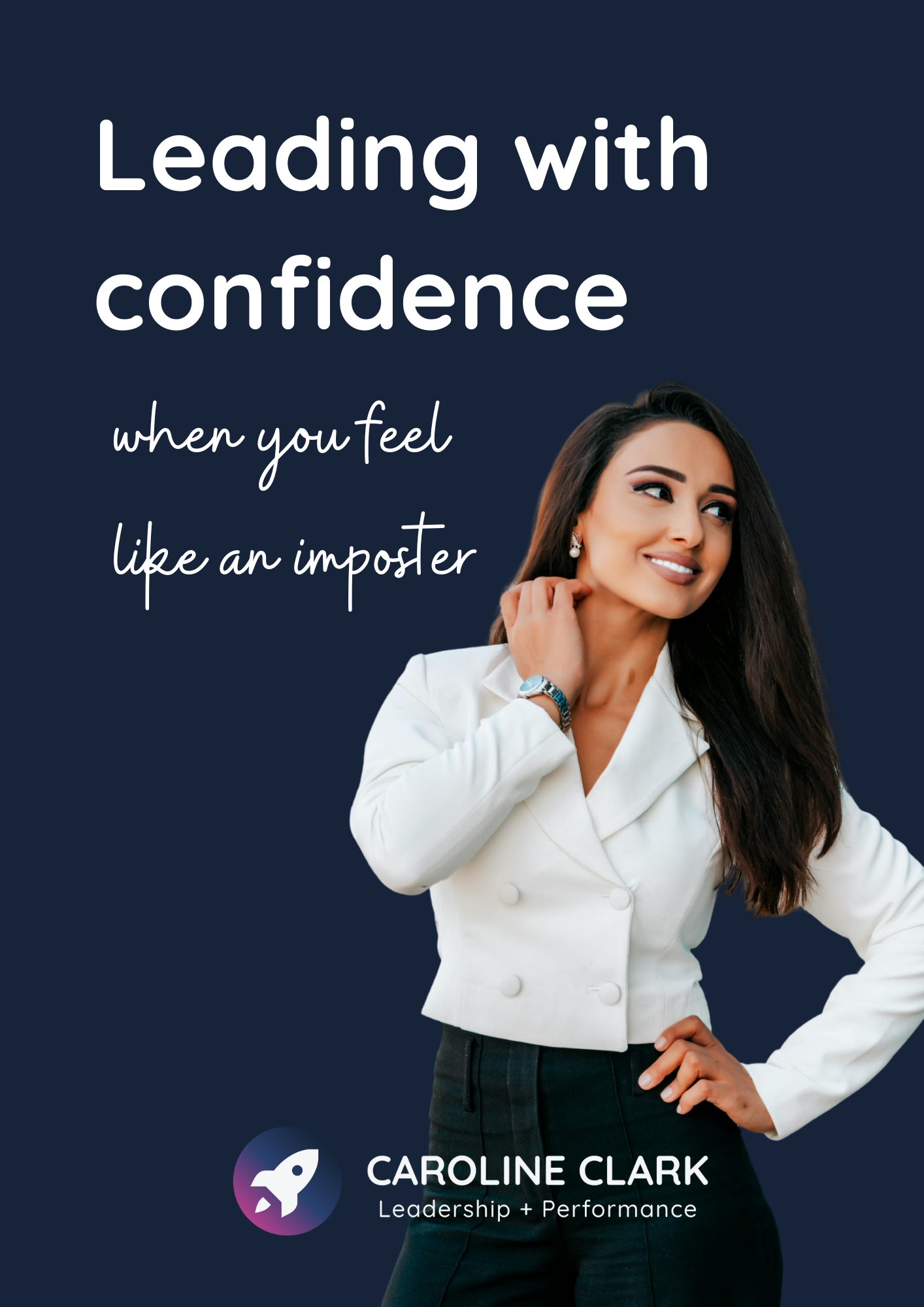
This self-guided workbook is designed for leaders who find themselves caught in cycles of perfectionism, overwork, or quiet self-doubt — especially when stepping into bigger roles, new challenges, or more visible positions.
A downloadable workbook with 10 reflective exercises
Practical tools you can return to whenever imposter feelings show up
What imposter feelings actually are (and what they’re not)
Why high-performing, conscientious people experience them most
The imposter spiral: how self-doubt turns into perfectionism, stress, and burnout
The two most common coping responses — overwork and procrastination — and why neither is sustainable
How fear shows up in the body under pressure
Practical ways to regulate stress and interrupt the spiral
How to build self-belief, courage, and mastery over time
How to set more realistic standards for effort, energy, and expectations
Why recognising and celebrating progress matters more than we think
This is for you if you:
regularly feel pressure to perform at a high level
tend to raise the bar for yourself again and again
recognise patterns of overworking or avoidance
feel confident on paper but unsure internally
want to lead well without burning yourself out
You can work through the workbook in one sitting, or return to individual exercises as and when you need them. Many people find it especially useful:
before high-stakes meetings or presentations
when starting a new role or taking on more responsibility
during periods of uncertainty or self-doubt
as a regular reflective practice
This is not about “fixing” yourself. It’s about understanding what’s happening — and learning how to respond differently when pressure hits.
This self-guided workbook is designed for leaders who find themselves caught in cycles of perfectionism, overwork, or quiet self-doubt — especially when stepping into bigger roles, new challenges, or more visible positions.
A downloadable workbook with 10 reflective exercises
Practical tools you can return to whenever imposter feelings show up
What imposter feelings actually are (and what they’re not)
Why high-performing, conscientious people experience them most
The imposter spiral: how self-doubt turns into perfectionism, stress, and burnout
The two most common coping responses — overwork and procrastination — and why neither is sustainable
How fear shows up in the body under pressure
Practical ways to regulate stress and interrupt the spiral
How to build self-belief, courage, and mastery over time
How to set more realistic standards for effort, energy, and expectations
Why recognising and celebrating progress matters more than we think
This is for you if you:
regularly feel pressure to perform at a high level
tend to raise the bar for yourself again and again
recognise patterns of overworking or avoidance
feel confident on paper but unsure internally
want to lead well without burning yourself out
You can work through the workbook in one sitting, or return to individual exercises as and when you need them. Many people find it especially useful:
before high-stakes meetings or presentations
when starting a new role or taking on more responsibility
during periods of uncertainty or self-doubt
as a regular reflective practice
This is not about “fixing” yourself. It’s about understanding what’s happening — and learning how to respond differently when pressure hits.